The Temperance Seven
Deep Dive Article
Time:
Outside
Date:
EST. 1904?
Price:
Priceless
The Band That Fell Through Time
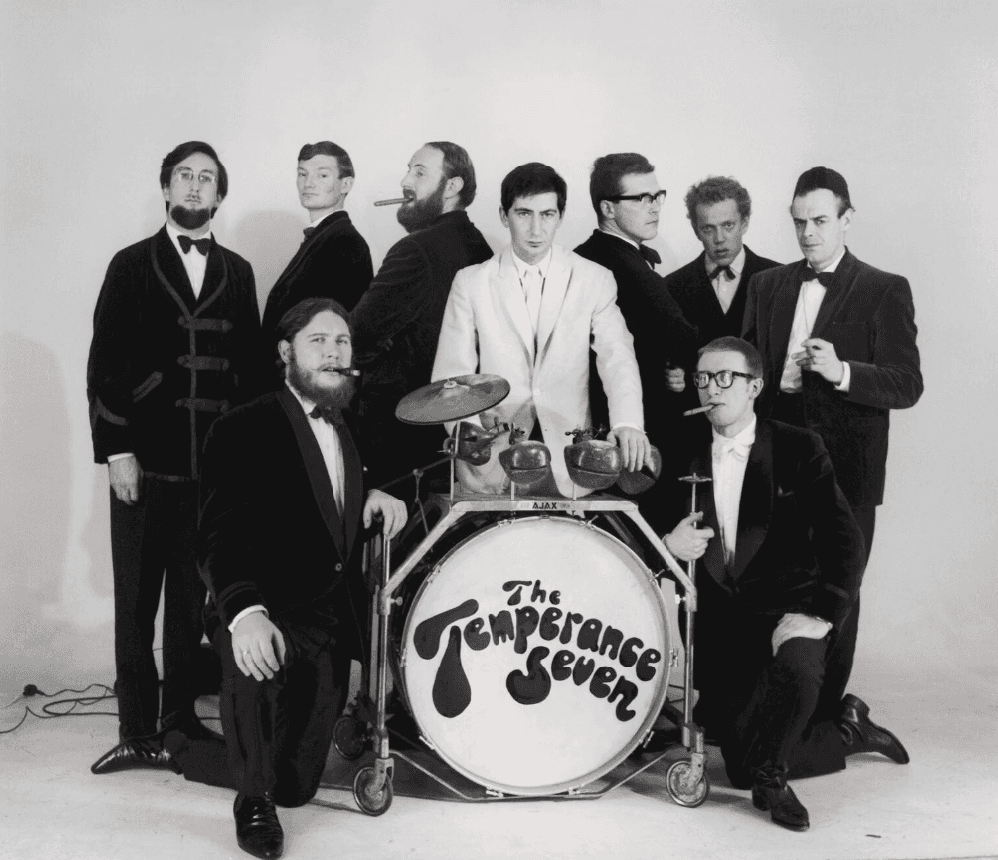
The Temperance Seven were never simply a band. They were a portal. A beautifully absurd, impeccably dressed, musically immaculate portal to a world where the 1920s never quite ended, where jazz arrived with a wink rather than a swagger, and where the line between performance and play was so thin it shimmered. They were, in the best possible way, a glorious British contradiction: nine musicians calling themselves “Seven" as they were 'one over the eight' pints, reviving early jazz with scholarly precision while behaving like escapees from a surrealist gentlemen’s club.
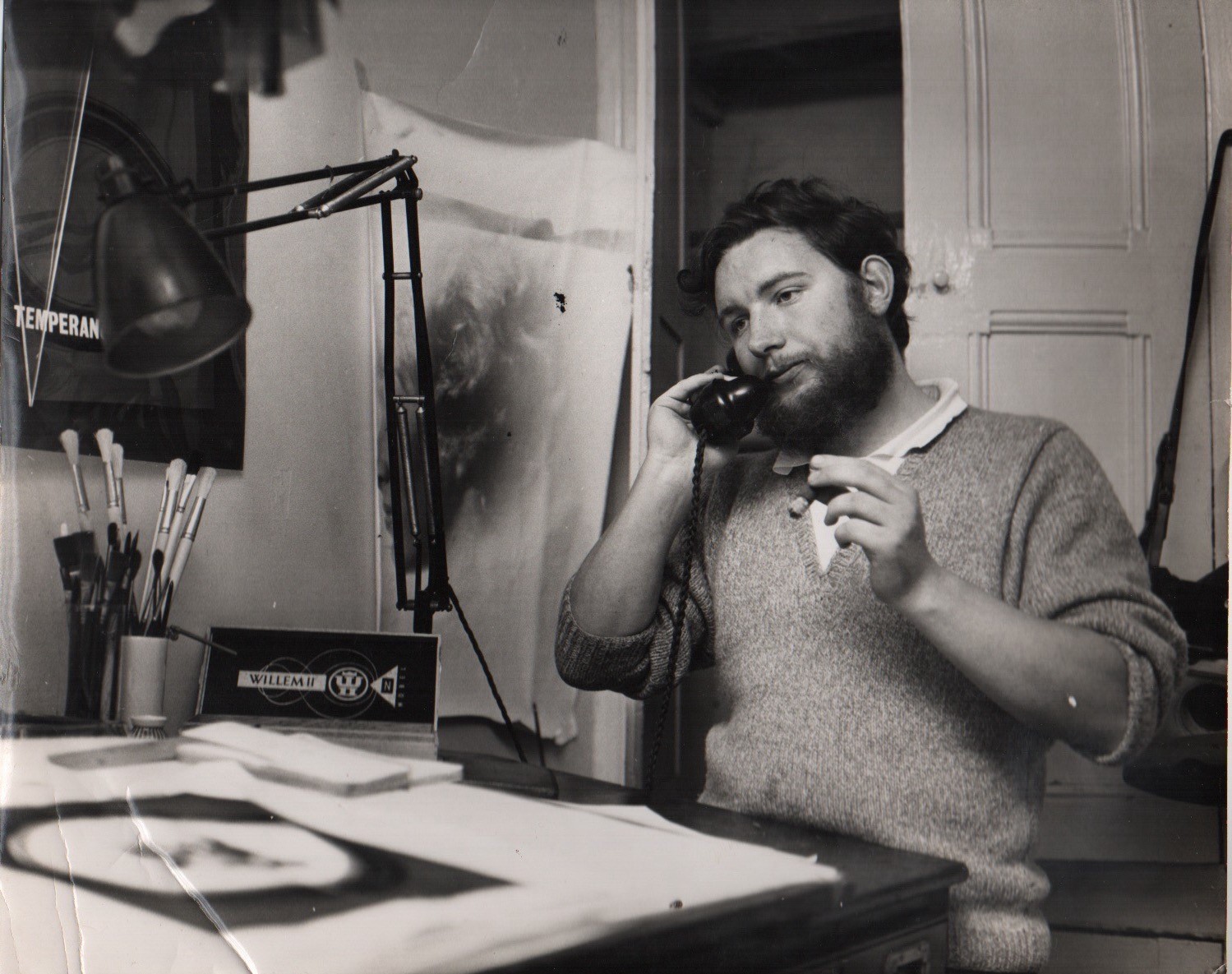
For me, the story is personal. My father, “Captain” Cephas Howard (pictured below), stood front and centre - trumpet in hand, beard immaculate, expression hovering somewhere between earnest concentration and gentle mischief.
A Band Born from Art School Mischief
The Temperance Seven began in 1955 at Chelsea School of Art, a place already fizzing with post‑war creativity. A group of art students - bright, eccentric, and armed with a shared love of early jazz - decided to resurrect the sound of the 1920s. But they didn’t simply imitate the past; they inhabited it. They adopted stage names and invented backstories (notably John RT Davies aka Sheik Haroun of Wadi el Yadounir), and performed with a deadpan seriousness that made the whole thing even funnier.
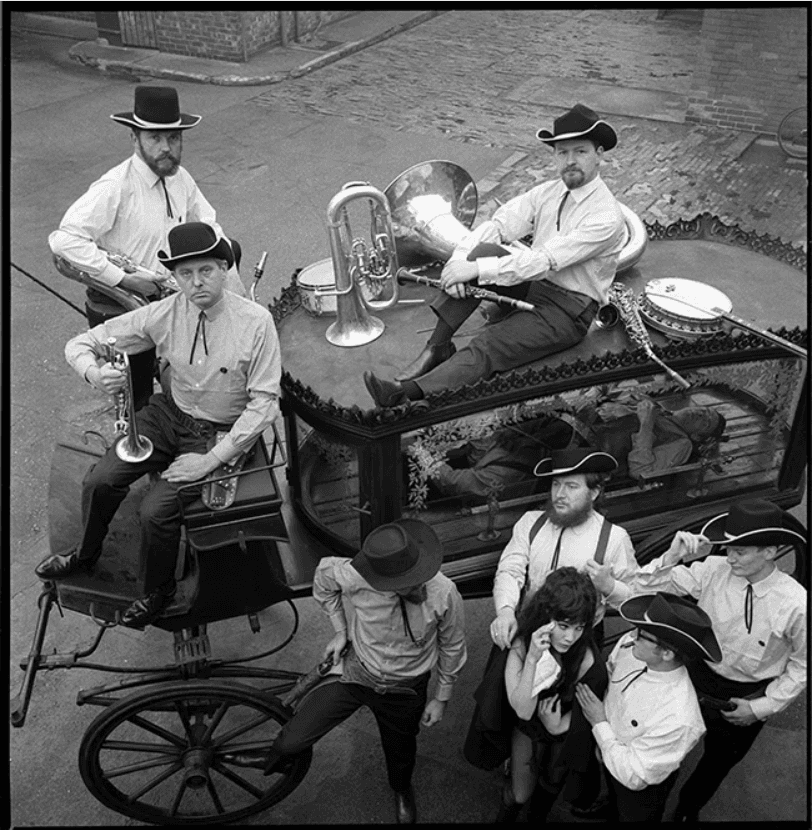
Their instrumentation was a delightfully odd assortment: banjo, sousaphone, saxophones, brass, megaphone vocals, and percussion delivered with the solemnity of a man performing delicate surgery. My father’s trumpet sat right at the heart of it - bright, warm, and slightly cheeky, like the band itself.
The Sound of the 1920s, Played with 1960s Irony
What set The Temperance Seven apart was the combination of meticulous musicality and theatrical absurdity. Their arrangements were historically accurate, their musicianship tight, and their attention to period detail almost scholarly. Yet the effect was surreal. They would glide onto the stage in immaculate smoking jackets, strike up a tune with perfect precision, and then punctuate the performance with a sly visual gag or a line delivered with such earnestness that the audience dissolved into laughter.
They were the musical equivalent of a beautifully restored vintage car that occasionally honked like a clown’s bicycle.
A Brief, Brilliant Brush with Pop Stardom
In 1961, something extraordinary happened: their version of “You’re Driving Me Crazy” reached number one in the UK Singles Chart. Britain, in the midst of modernising itself, suddenly found itself humming along to a band that looked like a cross between a silent‑film orchestra and a gentlemen’s club outing. Their follow‑up, “Pasadena,” reached number four, and for a moment the nation embraced their eccentric time‑warp wholeheartedly.
They appeared on The Royal Variety Performance, where their combination of charm and absurdity made them instant favourites. And behind the scenes, their early manager was none other than George Martin - yes, that George Martin - who later credited his work with the band as invaluable preparation for the creative experimentation of The Beatles.
In a way, The Temperance Seven were a stepping stone on the path to Sgt. Pepper.
A World of Photographs, Props, and Perfectly Timed Pauses
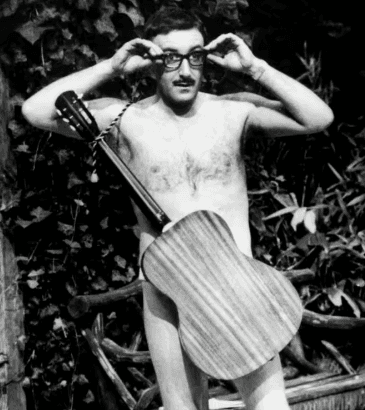
Growing up with my father’s stories, the band never felt like a historical curiosity. They felt alive - vivid, colourful, and slightly chaotic. The photos alone tell the story: the immaculate suits, the mock‑formal poses, the props that looked like they’d been borrowed from a vaudeville attic. There was always a sense that the band existed in a parallel universe where time bent slightly, where nostalgia was playful rather than dusty, and where music was an excuse for character, costume, and shared jokes. The band were in deep with Spike Milligan and The Goon Show and Peter Sellers (pictured below with guitar) sang on one of their tracks.
My father embodied that humour and spirit. His trumpet lines were crisp and joyful, but his stage presence carried that unmistakable Temperance Seven twinkle - the sense that he was in on a joke that the audience was just about to discover.
The Legacy of a Lovingly Eccentric Band
Even as musical fashions shifted, The Temperance Seven retained a loyal following. They continued performing in various line‑ups, appearing at festivals, theatres, and events. Their influence can be traced through later revival acts, through the British affection for eccentricity performed with absolute commitment, and through the enduring charm of early jazz when played with both skill and humour.
What makes them so enduringly special is the warmth beneath the whimsy. They weren’t mocking the past; they were celebrating it. They polished up forgotten styles and presented them with affection, precision, and a twinkle. They created a world where audiences could step out of the present and into something gentler, funnier, and more stylish.
I've recently learned that Queen's Brian May wrote a song in honour of the Temperance Seven on the album 'One Night at the Opera' called 'In Good Company' due to his love of the band, who he emailed me that he adored. Further from listening to Desert Island Discs, I found out that Ronnie Wood of the Rolling Stones had an older brother in the band, so the Temps would go around Ronnie's house for jam sessions when he was young…
A Personal Coda
For me, The Temperance Seven are not just a band from history - they are part of my family’s story. My father’s trumpet, his photographs, his tales of performances that teetered between chaos and brilliance - they are threads woven into the fabric of my own cultural curiosity. According to the mythology, the band were formed at a fictional location 'The Pasadena Cocoa Rooms at Balls Pond Road' and so this site and journey: a desire to honour the spirit of joyful, eccentric, British culture that The Temperance Seven embodied so beautifully.
They were, in the end, a reminder that culture can be playful, precise, nostalgic, and new all at once - and that sometimes the best way to honour the past is to enjoy it wholeheartedly.